Sunday, June 8, 2014

Our Week of World War 2 Rationing

 photo DSC_0003-13.jpg

We decided to try living for a week off of the food allowed by American rationing during World War 2.


In the beginning this seemed easy. Fresh produce, milk, and eggs were not rationed. Most meats were rationed, but not poultry or Spam.

First, however, there was a math lesson to figure out how many of each kind of stamp our family would be given. Each person over 12 years old was allotted 48 blue stamps each month. Blue stamps were used for processed foods, such as canned fruits and vegetables. They were also given 64 red stamps, which were used for meats and fats. First we figured out our family's total for the month, then we divided that by 4, assuming a 4 week month, to determine how much we would have for a single week.
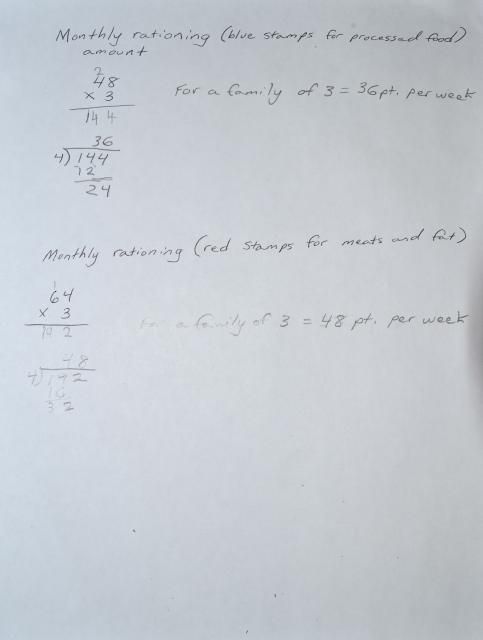

 photo DSC_0002-14.jpg

Sugar rationing was separate from the other rationing. Each person was allowed 2 pounds of sugar per month. For us, that would be more than we go through in a normal month.
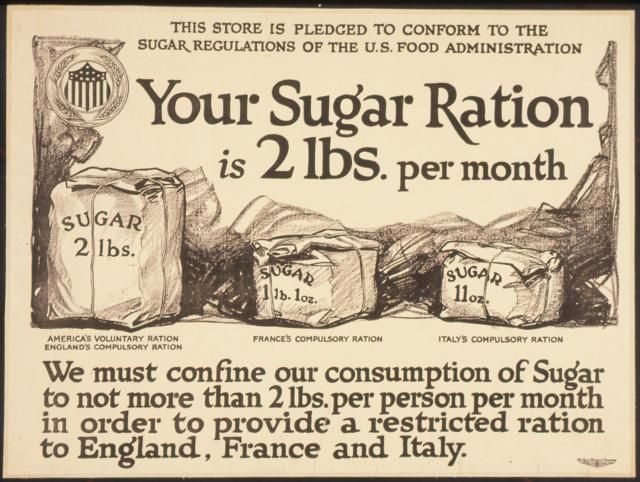
 photo sugarRation.jpg

My mother, who was 9 years old when the United States entered the war, said that the sugar shortage was usually only a problem if you had berry bushes and fruit trees and were going to do canning.

Since stores might not get shipments of rationed goods, even if you had the money and ration stamps to buy them, I chose to treat sugar as that item we were unable to get that week. We started off the week with about a cup and a half of sugar.

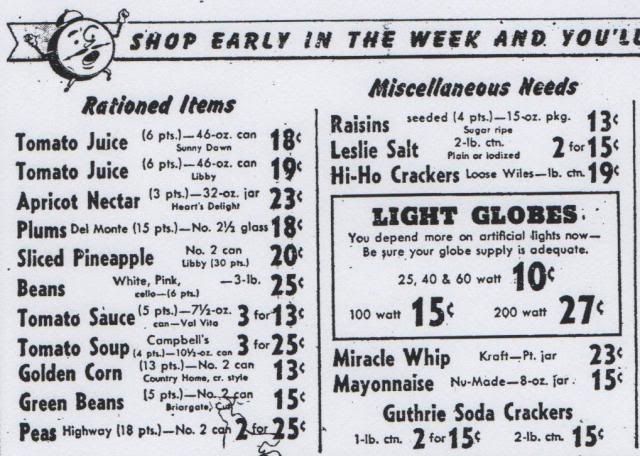
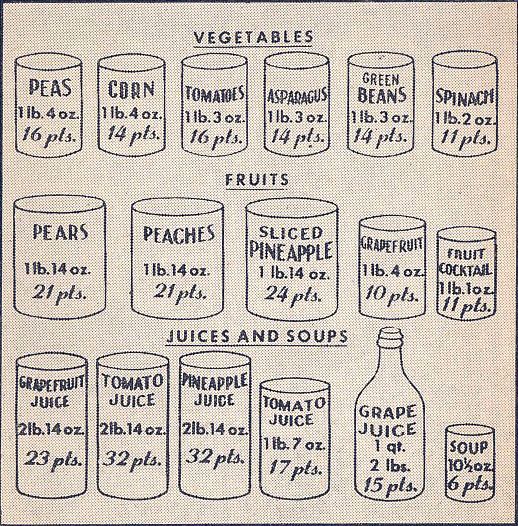
Although the number of points needed to buy rationed foods changed from week to week during the war, we used the following newspaper ads and documents for our experiment:
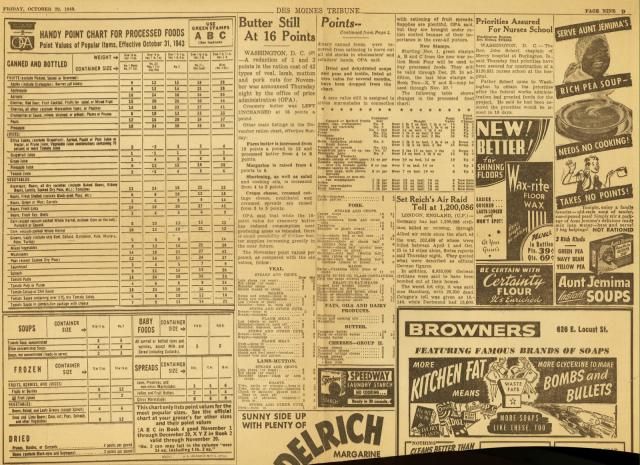
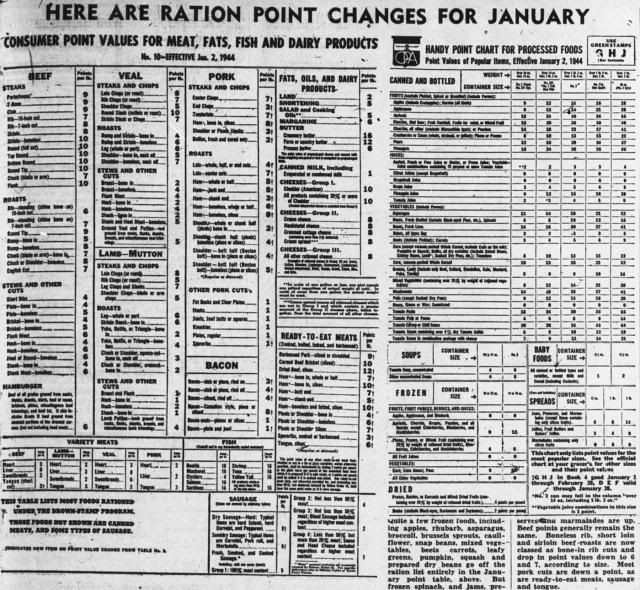
 photo rationing_paper.jpg

 photo homefrontnewswst19440103.jpg

 photo Ledger-2BSafeway-2B-25282-2529.jpg

 photo rationing_points.jpg

I purchased only foods that would have been available at the time, but did not always restrict myself to the popular recipes of the day.
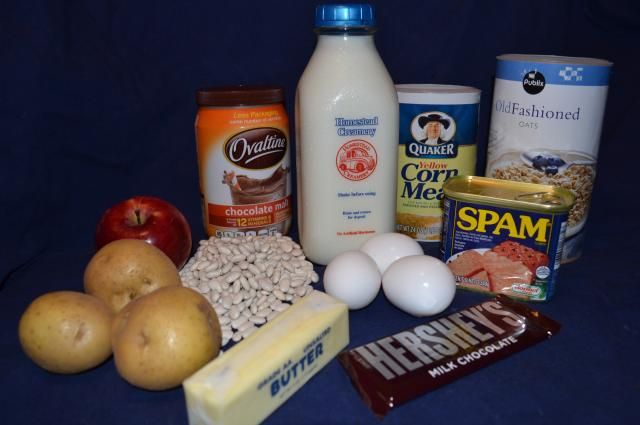
 photo DSC_0007-15.jpg


By the end of the day on Tuesday, we had used all our ration stamps for the week.

The last of the sugar was used up on Tuesday night to bake a sour cream pound cake, which lasted for two days. After that,  honey was used as a sweetener.


A week of living off of food allowed by rationing:


Sunday

Breakfast: A glass of Milk with Ovaltine for Blaze, Coffee for the adults

Lunch: Thin pork chops with roasted potatoes and carrots

Dinner: bean burritos (refried beans and cheddar cheese on wheat tortillas)


Monday:

Breakfast: DH had oatmeal. Coffee for the adults and milk with Ovaltine for Blaze

Lunch: Peanut butter and jelly on a tortilla

Dinner: Chicken parmesan on spaghetti

Dessert: Root beer floats (ice cream shops were allowed 70% of the sugar they had been using pre-war and Barq root beer began bottling their soda for distribution at the beginning of the war)


Tuesday

Breakfast: DH had oatmeal. Coffee or milk

Lunch: turkey, cheese, and lettuce on a tortilla
orange juice

Dinner: left-over chicken parmesan and spaghetti

Dessert: Root beer


Wednesday

Breakfast: Sour cream pound cake with fresh raspberries, milk for the child, coffee for the adults
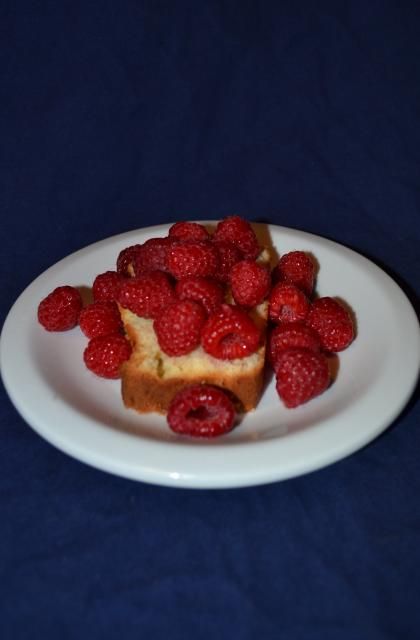
 photo DSC_0013-15.jpg

Lunch: Turkey sandwich and grapes. Iced Tea

Dinner: Great Northern Bean soup (dried beans, onions, potatoes, carrots, celery, bell pepper, ham, and a splash of milk) and homemade honey cornbread (made with honey, because the pound cake used up all of our sugar).

Honey Cornbread

1 Cup all-purpose flour
1 Cup corn meal
2 teaspoons baking powder
1/2 teaspoon salt
1 Cup milk
1/4 Cup vegetable oil
1/2  Cup honey
2 eggs

Preheat oven to 400 degrees F.
Blend dry ingredients together in a large mixing bowl.
Add liquid ingredients and mix until all the dry ingredients are moist.
Pour batter into greased pan (I used a cast iron skillet) and bake for 20-25 minutes.


Thursday

Breakfast: a Slice of plain sour cream pound cake, coffee for the adults, and a glass of milk for the child

Lunch: Peanut butter and jelly sandwich, water to drink

Snack: vanilla ice cream with fresh raspberries

Dinner: Tossed salad and sliced, fried Spam

Dessert: one Hershey chocolate bar each


Friday

Breakfast: DH had oatmeal. Coffee or milk

Lunch: Left-over bean soup and cornbread
V-8 juice
Blaze refused to eat left-over bean soup. Instead he has an apple, a handful of grapes, and a piece of cornbread.

Snack: Popcorn


Dinner: Mock duck, mashed potatoes, and gravy
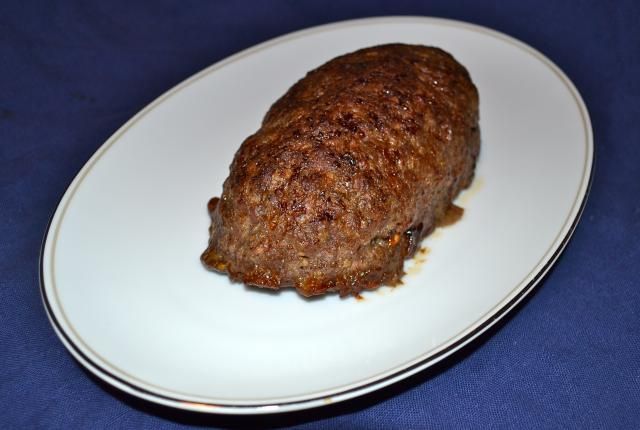
 photo DSC_0008-10.jpg

Mock Duck

1-pound sausage meat
1 Cup grated apple ( I used a gala)
1 Cup grated onion
1 teaspoon finely chopped fresh sage

Preheat oven to 350 degrees F.
Mix apples, onion, and sage in a medium-size mixing bowl
Divide the raw sausage in half. Flatten one half into a half-inch thick rectangle and spoon all the apple-onion mixture onto the rectangle, avoiding the edges. Flatten out the second half of the sausage and place it over the apple stuffing. Pinch the top layer of sausage onto the bottom layer and form into a rounded loaf. Bake for 40-45 minutes. I baked the mock dock in a cast iron skillet and then used the drippings to make gravy. This made 6 slices, so we each had two.


Saturday

Brunch: Spam hash and poached eggs. Coffee or Ovaltine
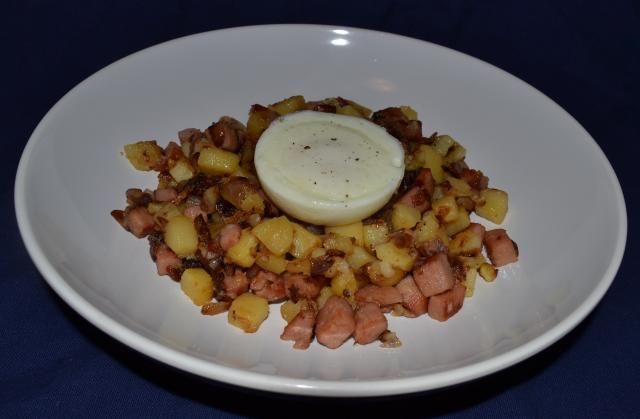
 photo DSC_0006-15.jpg

Spam Hash

2 Tablespoons of vegetable oil
1 onion chopped fine
5 medium potatoes diced into 1/4-inch pieces
1 can (12-ounces) of Spam, diced into 1/4-inch pieces

Pour oil into a large frying pan and fry the onion, potatoes, and Spam, stirring and flipping them over with a pancake turner until dome. Serve with a poached egg on top.

Snack: Sliced apples and popcorn

Dinner: DH had left-over bean soup. Blaze and I had peanut butter and jelly sandwiches.
The chicken I had put in the refrigerator to defrost was still hard as a rock at 5:00 p.m.
The original plan for dinner had been chicken and dumplings.


Quiz about rationing in the United States:

http://www.funtrivia.com/playquiz/quiz3348672655df0.html


In keeping with our World War 2 theme, we watched the Charlie Chaplin's movie The Great Dictator on Tuesday night.


Swimming in Wakulla Springs would have been fine way to spend a summer day during the war. The lodge opened in 1937 and Johnny Weissmuller was in two Tarzan movies that were filmed there. Here he is at the springs in 1941:
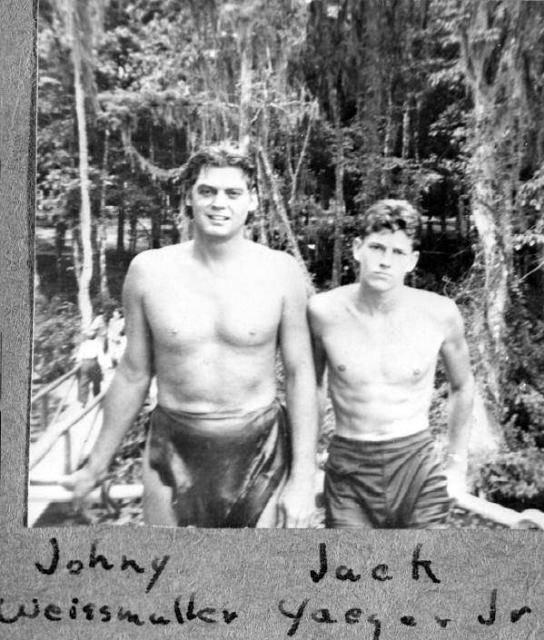
 photo Wakulla_Springs_n041871.jpg

Thursday, when we went to the springs:
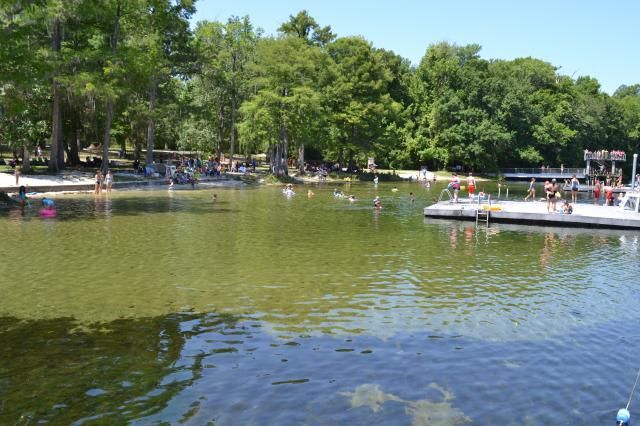
 photo DSC_0089.jpg

Friday was the 70th anniversary of the D-Day invasion. BBC Radio had a special program of the original D-Day news reports, either recorded at the time or the scripts read by modern actors.
http://www.bbc.co.uk/programmes/p01zkdry

Friday, June 6, 2014

Geology of Springs and Sinkholes at Wakulla Springs

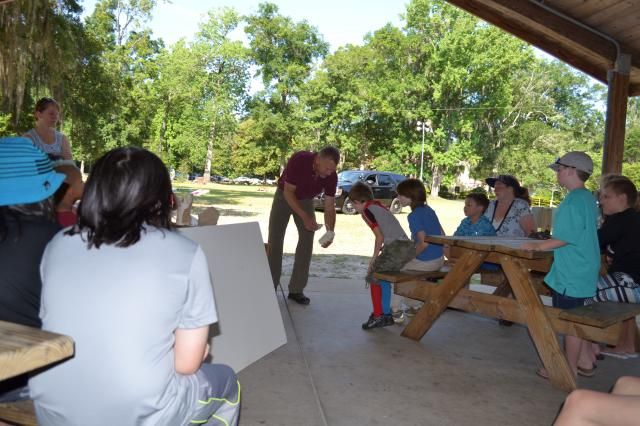
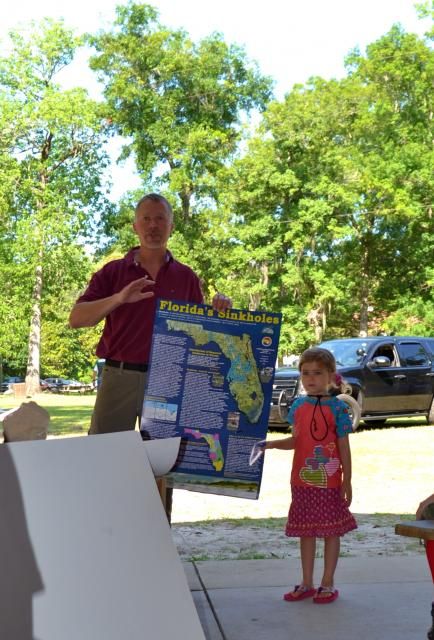
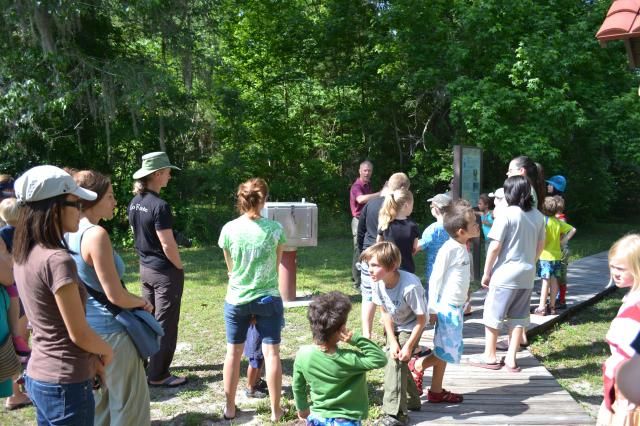
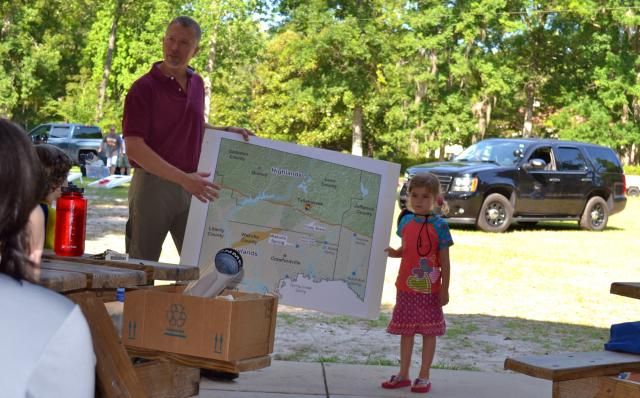
A week ago Thursday was the last homeschool day at Optimist Park, until school resumes in the Autumn. Yesterday was the first homeschool educational program, plus swimming, at Wakulla Springs State Park.

The topic was Geology of Springs and Sinkholes.

 photo DSC_0040-2.jpg

 photo DSC_0047-6.jpg

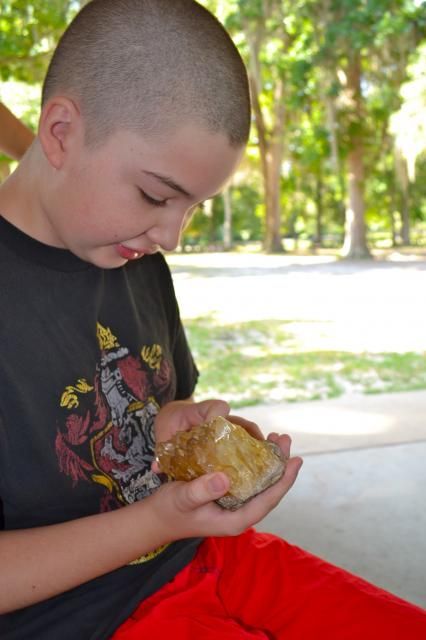
A demonstration of acid making calcite bubble:  photo DSC_0044-1.jpg

 photo DSC_0048.jpg

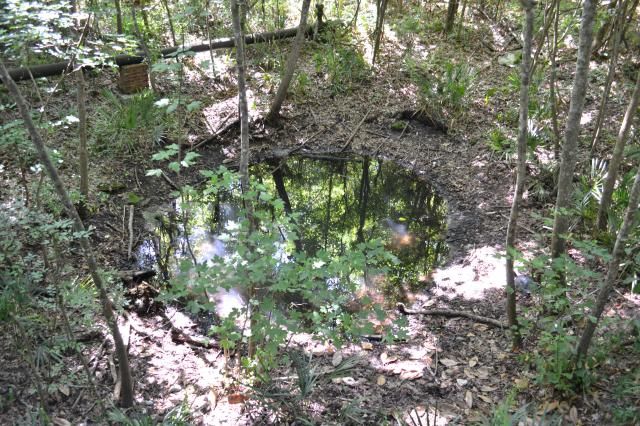
Taking a walk to see two small sinkholes:  photo DSC_0049-1.jpg

Sinkhole:  photo DSC_0051-3.jpg

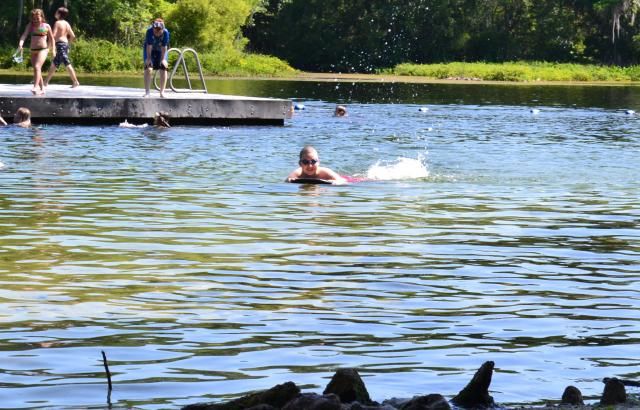
Time to cool off with a swim in the spring.  photo DSC_0077.jpg

We are not exactly taking the summer off from school work. Too much would be lost during a three month vacation. So, the plan is to do school work Monday through Wednesday during the summer months, attend the educational programs at the Springs on Thursday morning, and have Thursday afternoon through Sunday off. Since we babysit Thursday afternoons and all day Friday and Saturday, this will make things much easier.

Thursday, June 5, 2014

The Boogie Board

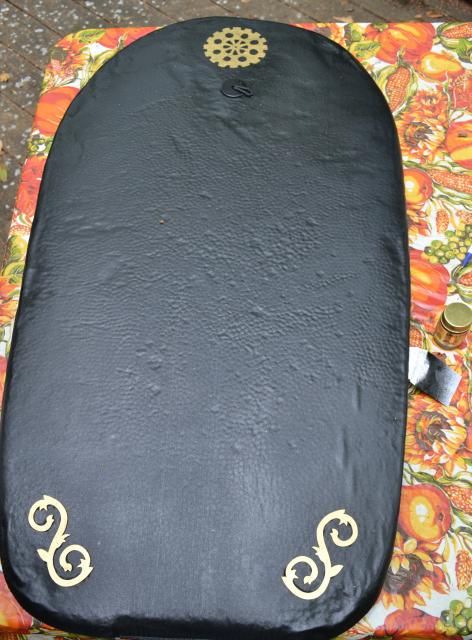
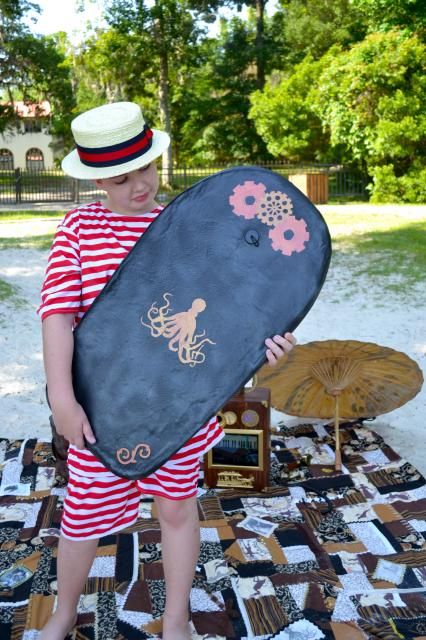
Michael's has boogie boards for $5 each. I have some left-over paint from other projects. Time to paint a custom boogie board to go with Blaze's Victorian swimsuit.

The board started off as blue with a shark in the middle, then I sprayed it with black plastic paint.

 photo DSC_0004-19.jpg


Free Kraken stencil:

http://3peppers-recipes.com/product/kracken-stencil/

 photo DSC_0002-13.jpg

I used "Liquid Leaf" metallic paints to paint the gears and octopus.

Ready to go play in the water:

 photo DSC_0037-2.jpg

Friday, May 30, 2014

Lessons for WW2

Our study of 20th century history moved out of the Great Depression, when we finished reading The Grapes of Wrath, and moved on to the Second World War.

Even though all the local public schools are going on summer break, we are only about half-way through this subject and will continue to have at least 3 school days a week over the summer. 

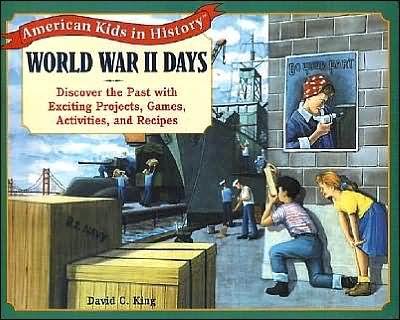
We started with this book:

 photo 9780471371014_p0_v1_s600.jpg

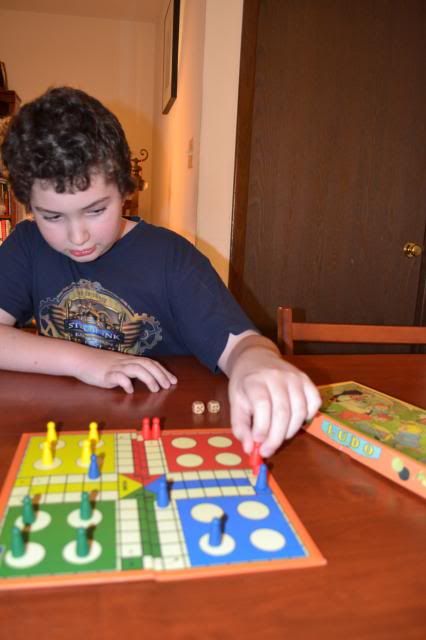
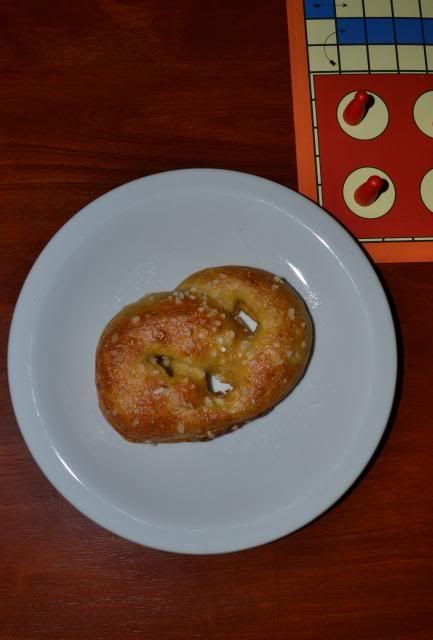
We read the stories of the two families in the book and tried some of the recipes and games. The book inspired us to have a "game night", during which we listened to radio news reports from the beginning of the war and listened to "The Lone Ranger" radio show, while eating homemade soft pretzels, made using a recipe in the book.

 photo DSC_0024-4.jpg

 photo DSC_0033-1.jpg

Blaze colored this Pearl Harbor coloring page to put in his logbook:

http://www.supercoloring.com/image_print.php?img_src=http://www.supercoloring.com/wp-content/original/2009_09/Beginning-of-WWII-for-USA-coloring-page.jpg

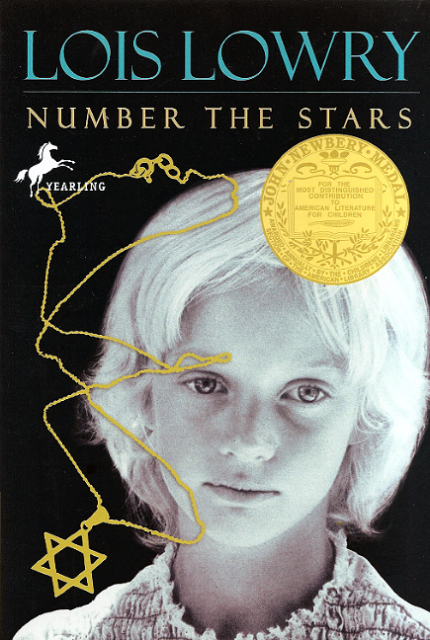
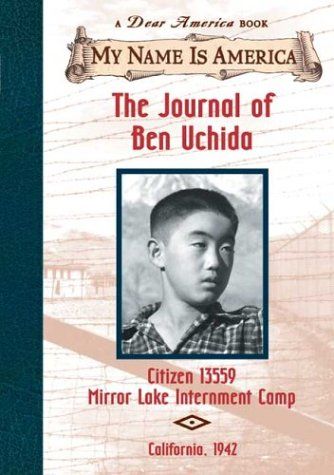
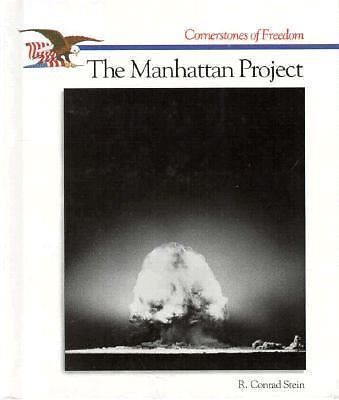
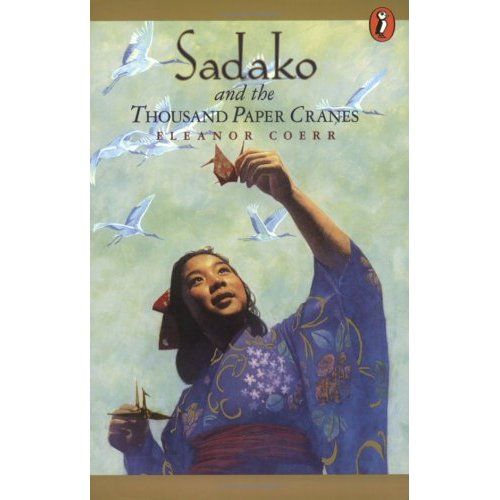
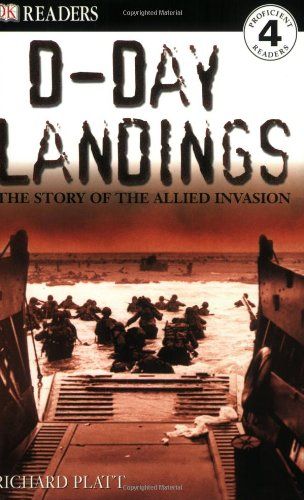
More books we read:

 photo nts02.png

 photo 51CZDDAW0GL.jpg

 photo T2eC16ZcE9s4Pud2LBRVHLZSEiw_32.jpg

 photo Sadako_and_the_thousand_paper_cranes_00.jpg

 photo 260023.jpg

 photo 513OemnxG9L.jpg

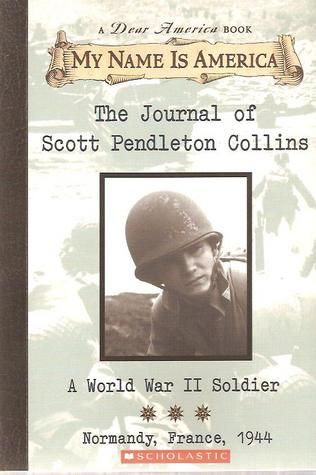
We've been learning about life on the home front by listening to music that was popular at the time, such as "Don't Sit Under the Apple Tree", which was mentioned in The Journal of Scott Pendleton Collins


and the Andrew Sisters singing "The Boogie Woogie Bugle Boy of Company B".


We've also been listening to several Sherlock Holmes radio shows from the 1940's, which include the original commercials. 

We learned about war-time rationing, by reading about what foods were rationed and how much each family was permitted. We also watched these short films about rationing: 


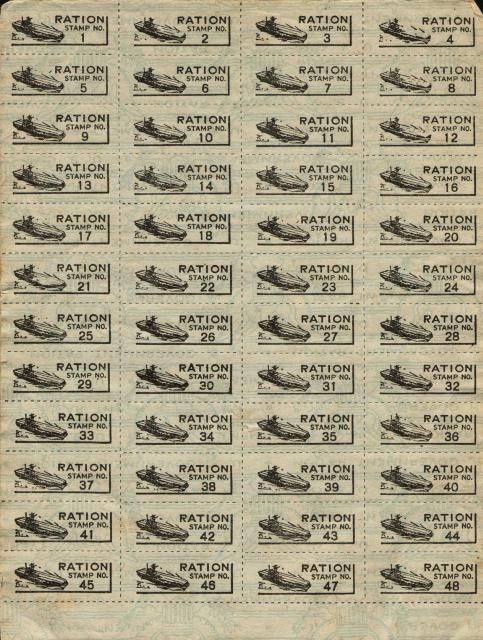
Then I printed off this sheet of ration stamps.

 photo WWII_USA_Ration_Stamps_4.jpg

We didn't ration food in our house, because I wanted this project to make a real impact. I chose the two things that Blaze likes best, his Kindle and sweet tea, and for 5 days those were rationed. Each ration stamp could buy 15 minutes of Kindle usage or one cup of sweet tea. He had to budget the stamps so that they would last for 5 days, plus decide which things were most important to him. He did a great job. He had one cup of tea each day and still had stamps to use on the final day. He sure was happy when the experiment was over, though. 


On Memorial day we listened to this story about famous Hollywood film makers who filmed real-life military events during World War 2: http://www.npr.org/2014/05/26/314362055/during-world-war-ii-even-filmmakers-reported-for-duty. Then, two days later, we began watching Frank Capra's "Why We Fight" series, which was made to show to American soldiers. 


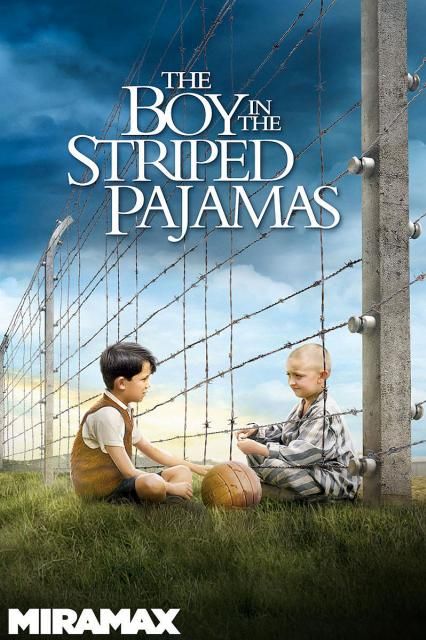
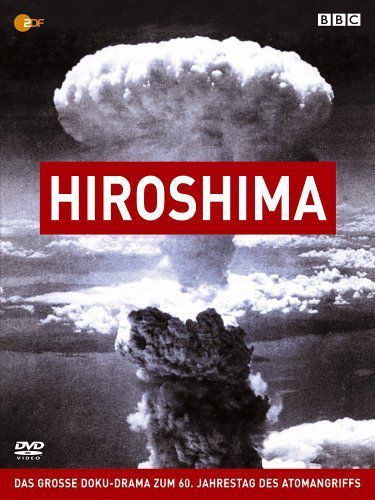
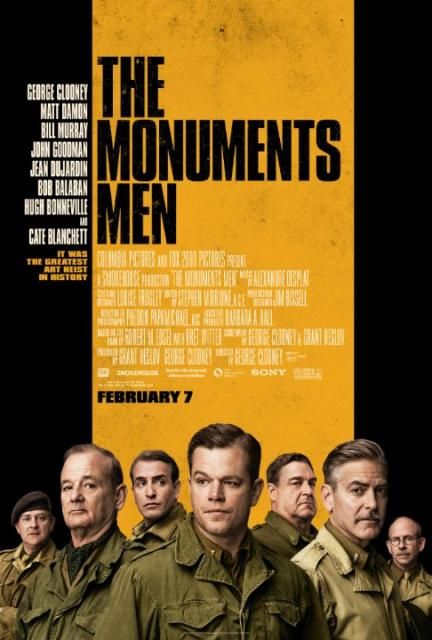
Other movies we watched:

 photo 11176110_800.jpg

 photo 5a_d__0_Hiroshima-1.jpg

 photo MV5BMjMxMjk4NTM1M15BMl5BanBnXkFtZTgwNjg0MjQ3MDE_V1_SX640_SY720_.jpg

YouTube has a wealth of short films that work well with a World War 2 history unit. 

Walt Disney made several short propaganda cartoons during the war:


My favorite comical way of learning history, Horrible Histories:


Tuesday, May 27, 2014

A Pilgrimage to the John Gorrie Museum

Part two of our Memorial Day road trip, was traveling to  Apalachicola to visit the John Gorrie Museum.


I just learned about Doctor Gorrie's work while we were touring Flagler College a couple weeks ago and when I saw that there was a museum and monument dedicated to him, I knew we had to go.


It's a very small museum, just a single room, with displays along the walls and a 3/4-size model of the first ice machine in the middle. It is well put together, though. When the ranger asked us if we had any questions, I couldn't think of any, since everything was so self explanatory. I later regretted that I hadn't thought of anything to ask him, because we were the only visitors at that time and he must have been bored. 


All hail the inventor of the ice machine and air conditioning!


Monday, May 26, 2014

Memorial Day at the Camp Gordon Johnston World War 2 Museum

While looking for places near Tallahassee that we could visit during the Memorial Day weekend, we discovered that there is a World War 2 museum in Carrabelle. Since Blaze is currently learning about World War 2, this was the perfect place for a road trip today.

It's not a very big museum, but it is very informative and does a good job of showing how important this part of Florida was to the war effort.

 photo DSC_0004-17.jpg

 photo DSC_0005-14.jpg

Field hospital:
 photo DSC_0009-12.jpg

On the home front:
 photo DSC_0013-14.jpg

Blaze looking at gas masks in a display cabinet:
 photo DSC_0017-12.jpg

 photo DSC_0018-10.jpg

A soldier's life:
 photo DSC_0027-7.jpg

 photo DSC_0028-5.jpg

Training on Carrabelle Beach for the D-Day invasion:
 photo DSC_0033-2.jpg

 photo DSC_0036-2.jpg

 photo DSC_0039-7.jpg

 photo DSC_0043-2.jpg


The live music was a nice surprise:

Crafty Crow